Overgrown Branches That Block Light and Views
Tree Trimming for improved structure, appearance, and reduced storm damage risk
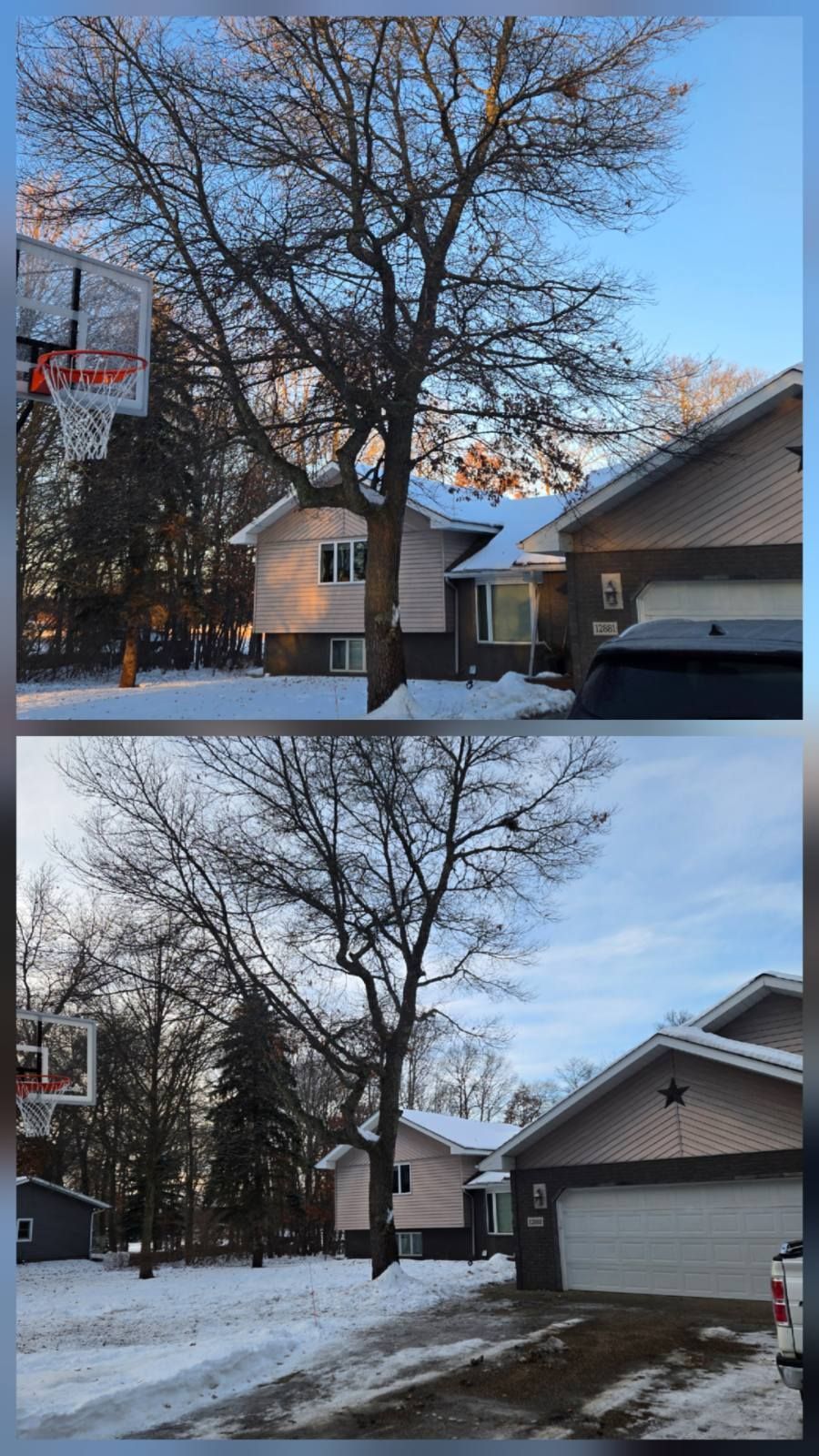
Dense canopy growth blocks sunlight from reaching windows, grass, and landscape plantings while creating wind resistance that increases the likelihood of limb failure during severe weather. Whits End Tree Care provides tree trimming to address overgrown branches that interfere with structures, outdoor spaces, or the health of the tree itself. Routine trimming maintains controlled growth patterns and prevents the need for more aggressive corrective pruning later.
Trimming focuses on removing excess growth from the outer canopy, thinning areas where branch density creates wind load, and clearing limbs that extend over rooflines, driveways, or utility lines. Each cut is positioned to promote outward growth away from structures while maintaining the tree's natural shape and structural balance.
Arrange a consultation to evaluate which trees would benefit from seasonal trimming services.
What Professional Trimming Includes
Tree trimming removes live growth strategically rather than cutting indiscriminately, targeting branches that create specific problems while leaving the healthy structure intact. The process includes identifying limbs that grow toward structures, cross other branches and create rubbing damage, or form weak attachments that could fail under snow or ice load. Cuts are made just outside the branch collar to allow proper wound closure without leaving stubs that invite decay organisms.
You'll notice increased sunlight reaching previously shaded areas of your yard, improved views from windows and outdoor spaces, and reduced leaf litter accumulation in gutters and on roof surfaces after trimming is completed. Trees develop more open canopy structure that allows wind to pass through rather than creating sail effect that stresses the trunk and root system during storms.
Trimming schedules vary by species, with most deciduous trees benefiting from work during dormancy in late fall or winter when leaf drop allows clear visibility of branch structure. Trimming does not address dead or diseased limbs, which require pruning techniques focused on removing compromised wood rather than shaping growth.
What Property Owners Ask About Trimming
Residents throughout our service area ask about timing, frequency, and what changes to expect after trimming services are completed on their properties.
What is the difference between trimming and pruning?
Trimming addresses live, healthy growth to improve shape and reduce size, while pruning removes dead, damaged, or diseased wood to protect tree health and safety.
How often should trees be trimmed?
Most mature trees benefit from trimming every three to five years depending on growth rate, proximity to structures, and whether previous trimming maintained good form.
When is the best time to trim trees in Brainerd?
Late fall through early spring provides ideal conditions when trees are dormant, wounds close more effectively, and branch structure is visible without foliage obstruction.
Will trimming improve property value?
Well-maintained trees with controlled growth patterns improve curb appeal, increase usable yard space, and reduce insurance concerns related to overhanging branches near structures.
What equipment is used for professional tree trimming?
Pole saws for lower branches, climbing gear and chainsaws for upper canopy work, and chippers to process debris into mulch that can be left on-site or removed depending on property owner preference.
Where does Whits End Tree Care offer these services?
Where does Whits End Tree Care offer these services? Whits End Tree Care operates in Crow Wing, Cass, Aitkin, Mille Lacs and Morrison counties. Some cities we operate in are Brainerd, Atkin, Walker, St Cloud, Pequot Lakes, and Little Falls. We operate in a 50 square mile service area covering the above cities, counties and all areas in between!
Whits End Tree Care tailors trimming services to the specific needs of each property, whether that involves clearing sightlines, reducing shade, or improving tree structure for long-term health and appearance. Schedule seasonal tree trimming to maintain controlled growth and prevent overgrown canopies from creating maintenance problems.