Properties Cleared After Severe Weather
Storm Damage Cleanup for removal of fallen trees, broken limbs, and debris after wind and ice events
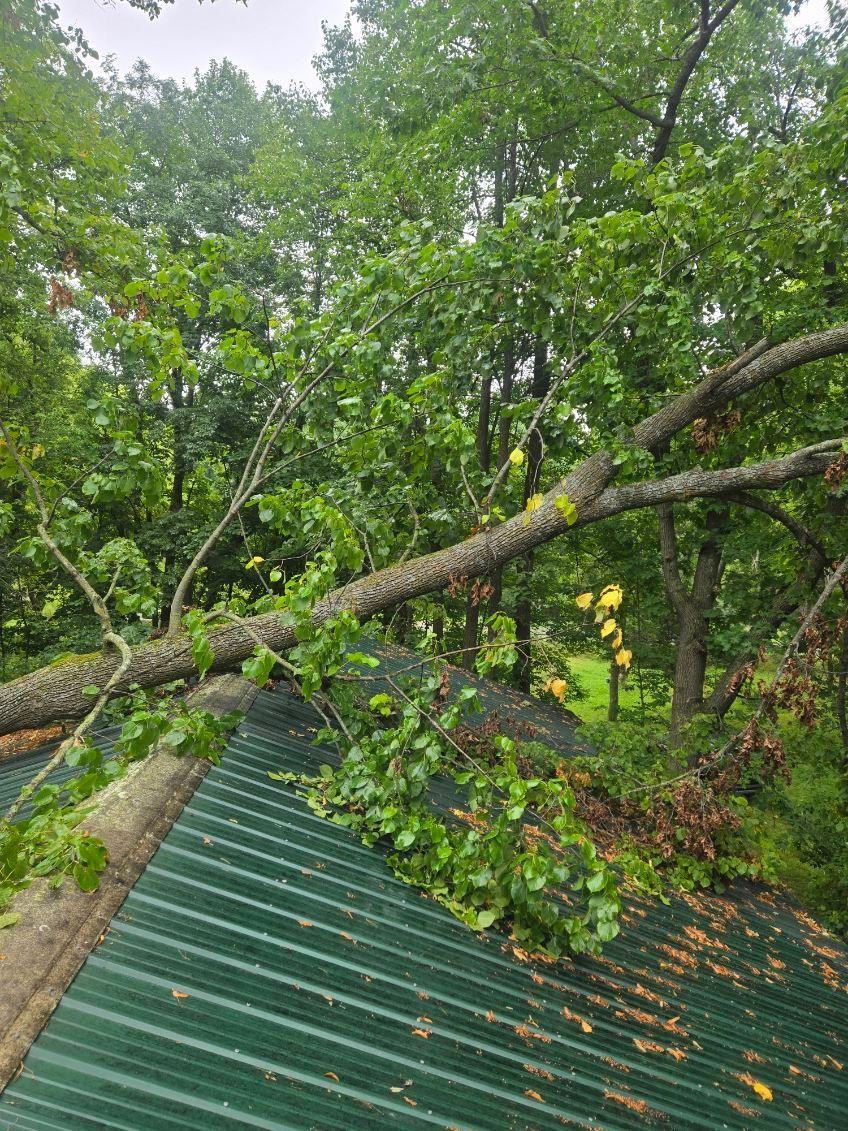
Severe storms leave behind hazardous debris fields that block access, threaten structures, and create unsafe conditions across your property. Fallen trees may rest against roofs or power lines, broken limbs hang precariously overhead, and scattered branches obstruct driveways and yards. Whits End Tree Care responds to storm damage removing debris and stabilizing hazardous trees to restore safety and accessibility quickly. The priority after a storm is addressing immediate threats—trees on structures, limbs over walkways, and blockages that prevent emergency access.
Storm cleanup involves cutting and removing downed trees, rigging hanging limbs safely to the ground, clearing debris from structures and driveways, and hauling material off-site. Northern Minnesota storms often combine high winds with ice or snow loading, which snaps limbs at weak branch unions and uproots shallow-rooted trees in saturated soil. Equipment used includes chainsaws, rigging systems for controlled lowering, and chippers or grapple trucks for debris removal.
Contact the team after storm events to assess damage and prioritize removal of hazardous trees or debris blocking access to your property.
What Changes After Storm Debris Is Removed
Cleanup begins with assessing which trees pose immediate risk—those leaning on structures, hung up in other trees, or split but still partially attached. Fallen trees are sectioned and removed systematically, starting with weight relief cuts that prevent binding and dangerous movement. Hanging limbs are rigged and lowered rather than dropped, especially near buildings, vehicles, or utility lines.
Once cleanup is finished, driveways and walkways are clear, debris is removed from roofs and structures, and hanging hazards are eliminated. You regain access to buildings and can assess any structural damage without obstruction. Branches and logs are chipped or hauled away, leaving the property clean rather than piled with limbs that require additional handling.
Storm damage cleanup does not include structural repairs, roofing work, or utility line restoration—those require separate contractors once trees and debris are removed. If trees are left leaning or damaged but still standing, additional evaluation determines whether they can be pruned and stabilized or need full removal to prevent future failure.
Answers to Frequent Service Questions
After storms impact the Central Minnesota area, property owners often have urgent questions about cleanup, safety, and next steps. Here's what to expect during the process.
What should I do if a tree falls on my house?
Avoid the area if power lines are involved, document the damage with photos for insurance, and contact a professional cleanup service to safely remove the tree without causing additional structural harm.
How quickly can storm cleanup begin?
Response times depend on the severity and scale of the storm—widespread damage may create scheduling delays, but hazardous situations involving structures or access blockages are prioritized for immediate attention.
What equipment is used for heavy storm debris?
Chainsaws, rigging ropes, cranes or bucket trucks for overhead work, chippers for branch material, and grapple trucks or trailers for hauling large logs and debris off-site.
Why do some limbs break while others survive storms in Brainerd?
Weak branch attachments, decay inside the limb union, ice loading that exceeds wood strength, and shallow root systems in saturated soil all contribute to storm failure—healthy trees with strong structure are less likely to suffer major damage.
What happens to debris after it's removed?
Material is chipped for mulch, cut into firewood-length logs, or hauled to disposal facilities depending on volume and type—large debris fields generate significant material that requires multiple trips and commercial disposal.
Where does Whits End Tree Care offer these services?
Whits End Tree Care operates in Crow Wing, Cass, Aitkin, Mille Lacs and Morrison counties. Some cities we operate in are Brainerd, Atkin, Walker, St Cloud, Pequot Lakes, and Little Falls. We operate in a 50 square mile service area covering the above cities, counties and all areas in between!
Whits End Tree Care works with property owners and insurance adjusters to document damage and complete cleanup efficiently. Arrange an assessment to address storm damage and restore safe conditions to your property.