Trees That Threaten Structures and Power Lines
High-Risk Tree Removal for properties with trees near homes, utility lines, or critical structures
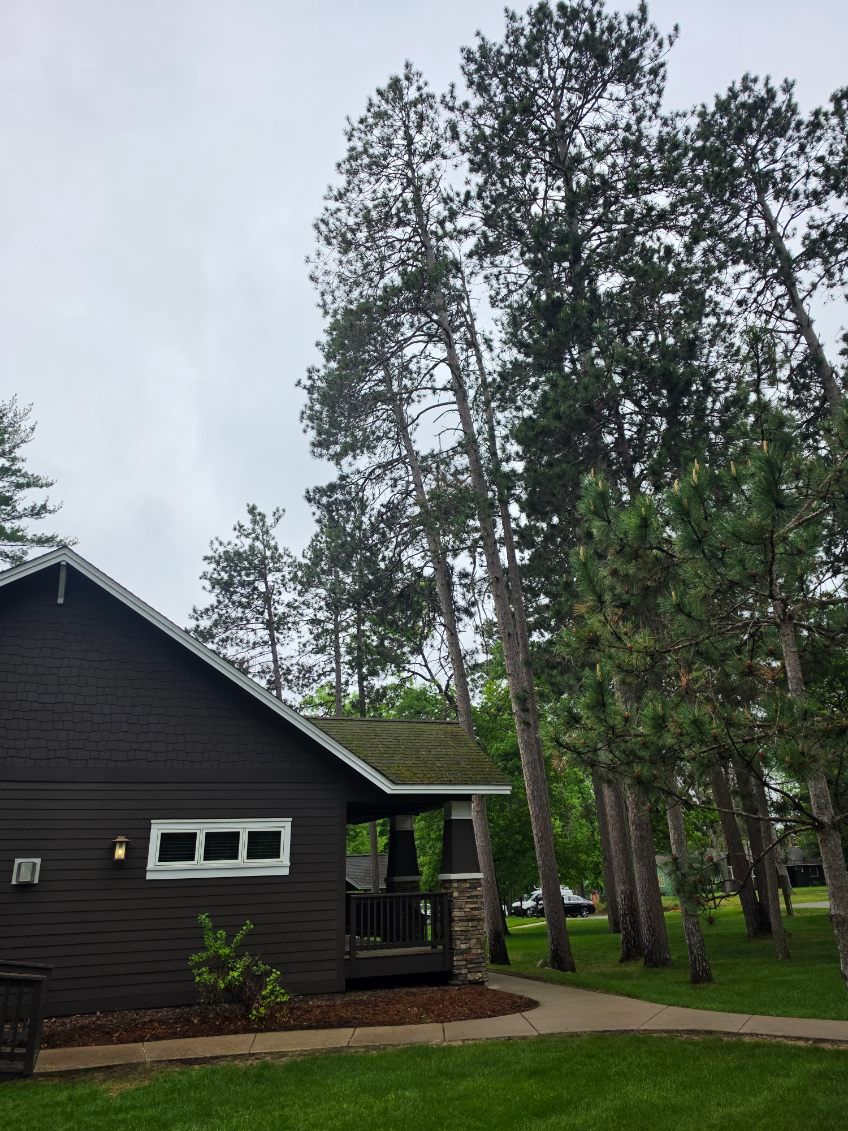
A tree leaning toward your roofline or branches tangled in overhead power lines creates liability that grows with every storm system that moves through the region. Whits End Tree Care handles high-risk tree removal when standard cutting methods would endanger structures, utilities, or people. Properties with mature trees positioned near buildings, above driveways, or within striking distance of electrical infrastructure require controlled dismantling rather than conventional felling.
High-risk removal involves advanced rigging systems that lower sections of the tree in controlled sequences, preventing uncontrolled drops that could damage roofs, siding, vehicles, or underground utilities. Each project begins with site assessment to identify obstacles, measure clearances, and determine anchor points for rigging equipment. Full licensing and insurance coverage protects property owners when work involves elevated risk factors that standard tree services may not accept.
Schedule a property evaluation to identify trees that require specialized removal techniques.
What Controlled Dismantling Accomplishes
Removing a hazardous tree near structures requires sectional cutting, where limbs and trunk segments are rigged with ropes and lowered through narrow drop zones rather than allowed to fall freely. Planning includes mapping the tree's lean direction, measuring distances to structures, and identifying weak points in the trunk that could shift unpredictably during cutting. Protection measures include ground tarps to prevent soil compaction, plywood sheets over landscaping, and padding around vulnerable surfaces like air conditioning units or decorative stonework.
Once removal is complete, you'll notice the elimination of the shadow pattern that previously darkened windows or sections of your yard, improved sight lines from driveways or entryways, and the absence of overhead branches that required constant monitoring during wind events. The removal site is cleared of all wood debris, and stump grinding can be arranged to level the area for replanting or lawn restoration.
Complex removals often involve crane-assisted lifting when rigging alone cannot safely manage large sections, particularly on properties with limited access or when trees are positioned directly above structures. Projects near power lines require coordination with utility providers to ensure safe clearances during the work.
Questions About Removing Dangerous Trees
Property owners in Brainerd frequently ask about the process before committing to high-risk removal projects, particularly when trees are close to homes or utility infrastructure.
What makes a tree removal project high-risk?
Trees positioned within falling distance of structures, power lines, or other obstacles require controlled dismantling rather than directional felling, along with specialized rigging equipment to manage each section as it's cut.
How is property protected during the removal process?
Ground protection includes tarps, plywood sheets over landscaping, padding around vulnerable features, and careful planning of drop zones to prevent impact damage to driveways, patios, or adjacent structures.
When should a hazardous tree be removed rather than trimmed?
Removal becomes necessary when the tree's structural integrity is compromised by decay, the root system has failed, or the tree's position creates unmanageable risk even after limb reduction.
What equipment is required for complex tree removal?
Advanced rigging systems, climbing gear rated for heavy loads, chainsaws designed for precision cuts, and sometimes crane assistance are used depending on tree size, lean angle, and site access limitations.
How does Brainerd's winter weather affect tree removal timing?
Frozen ground provides stable footing for heavy equipment and reduces lawn damage, though extreme cold can make rigging equipment less flexible and require additional safety precautions during cuts.
Where does Whits End Tree Care offer this service?
Whits End Tree Care operates in Crow Wing, Cass, Aitkin, Mille Lacs and Morrison counties. Some cities we operate in are Brainerd, Atkin, Walker, St Cloud, Pequot Lakes, and Little Falls. We operate in a 50 square mile service area covering the above cities, counties and all areas in between!
Whits End Tree Care provides detailed site assessments before beginning any high-risk removal project, ensuring that equipment, crew size, and protection measures match the specific challenges your property presents. Request an on-site consultation to review removal options for trees that threaten structures or utilities.